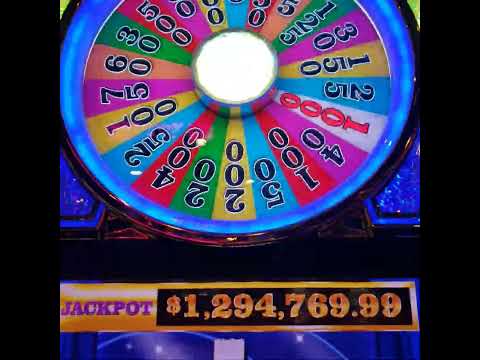
I still remember the very first time I watched a jackpot ticker climb in real time. The numbers moved so fast I could barely track them, betridecasino, and I realized I had no idea what actually activated the payout. That confusion is exactly why I put this guide together. I want to walk you through how casino jackpots really work, what differentiates the different types, and what you should actually pay attention to before you start playing. By the time you finish reading, you will have a practical framework for understanding jackpot games without the marketing fluff that usually clouds the topic.
What a Jackpot Truly Represents in Online Casinos
At its most basic, a jackpot is the maximum single reward a game can award. In a physical casino, you might picture a row of sevens appearing on a slot machine. Online, the concept gets more nuanced. A jackpot can be a fixed amount that never changes, or it can be a shared prize that grows with every bet placed across a network of players. The key difference is whether the prize is constant or changing. Understanding that difference affects every decision you make afterward, from which games you choose to how you manage your bankroll.
I believe that many players conflate any large win with a jackpot, but the industry draws a clearer distinction. A standard win from a high-paying symbol combination is not a jackpot unless the game explicitly labels it as one. Jackpots usually exist in a separate prize tier above the regular paytable. They often require specific conditions, such as hitting a particular combination of symbols, triggering a bonus round, or hitting a randomly generated trigger that has nothing to do with the reels you see. That randomness is a characteristic, not a flaw, and I will elaborate on why later.
What makes jackpots really compelling from a player perspective is how they modify the risk-reward profile of a game. A slot with a enormous progressive reward might lower its regular payouts to fund that top tier. You are fundamentally trading common small victories for a far-off opportunity at a transformative amount. I have watched players sit for hours without a substantial payout, entirely focused on that rising value at the top of the screen. That trade-off is neither beneficial nor detrimental, but you need to recognize it before you dedicate your funds.
On platforms like Betride Casino, jackpot games exist among thousands of other titles, and the interface usually enables you to filter specifically for jackpot slots or table games with progressive side bets. That sorting feature matters because it saves you from searching through endless lobbies. The jackpot section is where you will discover the games I am about to describe, each with its own systems, volatility profile, and theoretical payout rate. Recognizing what you are looking at before you click is half the battle.
Mobile Play and the Jackpot Journey on Mobile Devices
The move to mobile gaming has altered how players interact with jackpot titles. Modern jackpot slots are developed with mobile-first design principles, meaning the interface adjusts cleanly to smaller screens without compromising the features that make jackpot play exciting. The progressive ticker remains visible, the spin button stays accessible, and the bonus rounds adapt appropriately. I have played jackpot slots on devices from large tablets to compact smartphones, and the experience is always smooth when the casino uses up-to-date software.
What I focus on on mobile is whether the jackpot information remains clearly visible without needing extra taps or menu navigation. The best implementations keep the current jackpot amount fixed at the top of the screen so you can see it update in real time as you play. Less polished mobile versions might hide the jackpot value in a submenu, which disrupts the immersive connection between your spins and the growing prize. This is a small detail, but it greatly affects how involved you feel during a session.
Touchscreen controls present some specific considerations for jackpot games. The risk of accidental max-bet presses is greater on a touchscreen than with a mouse, and if a game demands maximum bet to qualify for the jackpot, an unintended tap could use more funds than you intended. I always verify my bet settings before I start spinning on mobile, and I utilize any available bet confirmation features. A moment of caution prevents the frustration of finding out you have been playing for a jackpot you were not actually qualified to win.
Browser-based mobile play has mainly replaced downloadable casino apps for jackpot games, which simplifies things considerably. You do not have to install anything; the games run directly in your mobile browser using HTML5 technology. This implies the same jackpot pools, game mechanics, and account features are present whether you are on desktop or mobile. The only factor is your internet connection quality, which I handle by relying on stable Wi-Fi when playing jackpot games to avoid disconnections during critical bonus rounds.
How Progressive Jackpot Pools Truly Grow
The mechanics behind progressive jackpot growth is more straightforward than most people assume, but the details count for anyone attempting to understand where their money goes. Each game includes a contribution rate, typically between one and five percent of every bet, that gets diverted to the jackpot pool. The remaining percentage still funds regular payouts in line with the game’s return-to-player percentage. So if a slot boasts a theoretical RTP of 96 percent and a jackpot contribution of two percent, the base game essentially pays back 94 percent with the extra two percent powering the progressive prize.
Network progressives carry this concept and expand it dramatically. Instead of a single casino’s players contributing, every operator that offers the game supplies the same pool. A player in one country placing a one-euro bet contributes alongside someone betting in a completely different currency. The provider handles currency conversion and pool management under the hood. This networked approach accounts for some jackpots rise by tens of thousands of euros in a single day during peak playing hours.
I carefully monitor the seed amount, which is the guaranteed minimum the jackpot drops back to after someone wins. Providers fund this seed, not players. A higher seed means the jackpot never sinks to an uninteresting level, but it also bbc.co.uk suggests the contribution rate might be slightly lower to offset the provider’s cost. You can usually find both the current jackpot value and the seed amount in the game’s paytable or rules section. Evaluating these numbers across different jackpot titles gives you a sense of how rapidly each game accumulates its top prize.
What I deem particularly useful is monitoring jackpot growth over a few days before playing. Some jackpots exhibit predictable patterns based on weekend traffic spikes or major sporting events that increase casino visits. While past growth does not guarantee when a jackpot will hit, understanding the rhythm of contributions helps you gauge whether a prize is in a typical range or has climbed unusually high. An abnormally large jackpot compared to its seed often suggests it has gone longer than average without triggering, which some players consider an opportunity, though the math remains random.
Trigger Mechanics That Govern How You Win
The way a jackpot actually triggers is the part I find many players get wrong. There exists no single universal method. Various games use essentially different trigger mechanics, and recognizing which one applies to your chosen title eliminates confusion and disappointment. The three broad categories I encounter most frequently are symbol-based triggers, random triggers, and bonus-round triggers. Each possesses unique implications for how you should tackle the game.
Symbol-based triggers are the most classic. You must land a specific combination of symbols on a payline or in a designated pattern to win the jackpot. Typically this means covering the whole screen with the highest-value symbol or landing a special jackpot symbol across a particular payline. The drawback is that many progressive slots demand you play at maximum bet or use all paylines to qualify for the top prize. I cannot stress enough how important it is to check this requirement before you start spinning. Playing below the qualifying threshold might still let you win regular payouts, but the jackpot will be unattainable.
Random mechanisms operate differently. The game’s system includes a random number generator that can bestow the jackpot on any spin, regardless of the symbol combination that appears. You can spin and notice nothing unusual on the reels, then all of a sudden a pop-up announces you have won the progressive prize. These triggers often have a higher probability of occurring when your bet size is larger, though the exact relationship varies by game. The randomness adds an element of unpredictability that some players love and others find frustrating because you cannot visually monitor your progress toward the goal.
Bonus-round mechanisms require you to first access a special feature, usually by getting scatter symbols, and then complete a task within that feature to win the jackpot. The task might involve choosing from hidden objects, spinning a separate jackpot wheel, or advancing through multiple levels of a mini-game. This design gives you a tangible sense of agency, even if the outcomes are still determined by random number generation. I appreciate these games because they turn the jackpot chase into a more interactive experience rather than a purely passive wait for the right symbols.
Game Categories Where You Will Find Jackpots
Slot Machines as the Principal Jackpot Mechanism
Slot games rule the jackpot scene to such an level that many users rarely come across jackpots anywhere else. The reason is fundamental: slot games can effortlessly handle the allocation mechanics and qualifying requirements that jackpots need. Companies like NetEnt, Microgaming, and Playtech have developed entire franchises around progressive jackpot slots, with titles that have become familiar names among casino gamblers. These games usually include five reels, multiple paylines, and a specific visual design that distinguishes the jackpot compared to standard wins.
What I observe about jackpot slots is how the visual and audio arrangement intensifies as the jackpot grows. Many games modify their background music, incorporate pulsing borders, or present the current jackpot amount more noticeably as the payout increases. This is intentional psychological crafting designed to boost excitement, and it is effective. I have felt my own pulse quicken watching a jackpot ticker cross a major milestone. Acknowledging that this is a engineered sensation helps me remain grounded in the actual numbers instead of being carried away in the show.
The variety within jackpot slots is remarkable. You will find classic three-reel progressives with a single payline, elaborate video slots with multiple bonus features and jackpot tiers, and even Megaways titles where the number of ways to win changes with every spin. Each format offers different volatility characteristics. The classic three-reel progressives are typically high-volatility with infrequent but potentially large payouts, while the multi-tiered video slots allocate the jackpot risk across several prize levels for more frequent engagement.
Table Game Options and Their Jackpot Variants
Table games with jackpots work on a different model. Instead of contributing a percentage of every bet to a progressive pool, these games typically require an optional side bet that makes you eligible for the jackpot. Caribbean Stud Poker, for example, often includes a progressive side bet that pays out based on the strength of your hand, with the top prize reserved for a royal flush. The side bet is separate from your main wager, and its RTP is usually lower than the base game, which is something I always take into account in my decision to opt in.
Blackjack has also adopted the jackpot concept through side bets like 21+3 or Perfect Pairs that can connect with progressive pools. You make your main blackjack bet as normal, then add a small side wager that qualifies you for additional payouts based on your first two cards and the dealer’s upcard. The jackpot tier generally requires a very specific combination, such as three suited sevens. These side bets add excitement but also increase the overall house edge on your total wager, so I treat them as an occasional spice rather than a core strategy.
Roulette jackpots are less common but do exist, often through a separate progressive bet or a special jackpot pocket on the wheel. Some live dealer roulette tables include a random multiplier that can boost straight-up bet payouts to jackpot levels. These are not traditional progressive jackpots in the pooled sense, but they fulfill a similar function of offering outsized payouts beyond the standard odds. The key detail to check is whether the jackpot feature affects the standard roulette odds or functions as an independent layer on top of the regular game.
Real-time Casino and Game Show Jackpot Integration
Casino live games have evolved to integrate jackpot features in manners that combine physical and digital components. A live dealer rotates a physical wheel or distributes real cards while a computer system tracks jackpot inputs and initiates. Games like Dream Catcher or Crazy Time include multiplier segments that can compound wins to jackpot-like proportions, and some variants link these multipliers to progressive pots that grow across multiple tables and operators.
What distinguishes live jackpot games from their purely digital counterparts is the social factor. You can observe other players placing bets, watch the dealer react to big wins, and take part in a shared event that appears closer to a land-based casino. The trade-off is that live games commonly function at a slower speed than automated slots, which influences how fast the jackpot pool grows and how many bets you put per hour. I consider this pace difference into my session preparation because it directly affects your total wagering amount and the pace at which you move through your bankroll.
The system behind live jackpot setup is deserving of understanding briefly. A central server handles the progressive pool, gathering contribution data from every table and studio that features the game. When a player activates the jackpot, the server confirms the outcome, refreshes the display across all connected tables, and initiates the reset process. This occurs in seconds, but the underlying coordination is considerable. For you as a player, the experience is effortless: you place your bet, the dealer performs their job, and if you win, the system manages everything automatically.
Casino Advantage and Player Return Considerations for Progressive Slots
Every casino game features a built-in advantage for the house, and jackpot games are no exception. What makes complex the picture is that the advertised return-to-player percentage for a progressive slot often factors in the jackpot contribution in its calculation. A game listed at 96 percent RTP might in reality return significantly less in regular gameplay, with the difference only compensated when someone eventually wins the progressive prize. If you are not the one landing that top tier, your personal return could be markedly lower than the theoretical figure.
I approach jackpot games with the mindset that the base game RTP, excluding the progressive contribution, is the number that matters for session planning. Some providers disclose this breakdown; others do not. When the information is present, I look for base game RTPs above 94 percent as a sensible benchmark. Below that threshold, the cost of pursuing the jackpot begins to erode into your bankroll faster than I deem comfortable for extended play. This is not a hard rule, but it is a practical filter I apply when judging which jackpot titles deserve my time and money.
Fixed jackpot games are more straightforward in this regard because the top prize is already priced into the math model without the need for ongoing contributions. The RTP you see is the RTP you get across all prize tiers, including the jackpot. That openness makes fixed jackpots tempting if you like knowing exactly what the game’s long-term payout structure resembles. The trade-off, of course, is that the top prize will never attain the eye-watering sums that progressives can accumulate.
One factor that does not get enough attention is jackpot fatigue, which is my term for the situation where a progressive jackpot grows so large that the effective RTP temporarily changes in the player’s favor. The math here is nuanced, but in simple terms, when the jackpot goes beyond a certain threshold, the expected value of each spin can theoretically become positive. In practice, the threshold is typically astronomically high, and you are still contending against every other player for that single payout. I mention this not as a strategy recommendation but as a conceptual point that shows how dynamic progressive math can be.
Licensing, Security, and Fairness in Jackpot prize Systems
The integrity of a jackpot system depends entirely on the regulatory framework that governs it. Reputable online casinos operate under licenses issued by established gambling authorities that require regular audits of game fairness, encompassing jackpot mechanics. These audits confirm that the random number generators are truly random, that the contribution rates align with what is advertised, and that jackpot payouts occur according to the stated rules. Without this oversight, you are relying on a black box, and I would never advise that.
Independent testing laboratories like eCOGRA, iTech Labs, and GLI offer an additional layer of verification. Their certification seals indicate that a game’s software has been evaluated for fairness and that the operator’s systems meet technical standards. When I evaluate a jackpot game, I seek out these certifications on either the casino’s website or within the game’s information panel. Their presence is no guarantee of you will win, but it ensures that the game operates as described and that the jackpot is not being manipulated.
Data security is of equal importance because jackpot play entails financial transactions and personal information. Encryption protocols, particularly TLS 1.2 or higher, secure your data as it transfers between your device and the casino’s servers. Payment information should be secured via tokens or processed by PCI-compliant processors. These technical details might seem dry, but they are the foundation that enables you focus on the game instead of worrying about whether your funds and identity are safe.
Responsible gambling tools also factor into the security picture. Jackpot games, with their tantalizing prize displays and intermittent reinforcement schedules, can lead to extended play sessions that surpass your intended limits. Deposit limits, session timers, and reality checks are features I regularly utilize and endorse. A well-licensed casino will make these tools readily available and will honor the limits you set without question. The presence of robust responsible gambling features signals an operator that values player welfare over short-term revenue.
Transaction Types and How They Work for Progressive Winners
When you claim a jackpot, accessing your funds is the most important aspect. The banking choices a casino offers directly affect how quickly and conveniently you can withdraw your funds. On a platform like Betride Casino, you will commonly find a variety of options covering credit and debit cards, e-wallets, bank transfers, and increasingly cryptocurrency. Each method has its own withdrawal speed, limits, and verification requirements that become highly significant when managing large jackpot sums.
E-wallets generally offer the fastest withdrawal speeds for jackpot winnings, often processing within 24 hours once the casino confirms the payout. Services like Skrill, Neteller, and PayPal have become commonplace in the industry due to the fact that they minimize the waiting period. Bank transfers, by contrast, can take three to five business days or longer, especially for international transactions involving currency conversion. I invariably recommend examining the casino’s published timelines for each method before you play, because the joy of a big win can rapidly sour if you face unexpected delays.
Withdrawal limits are a further critical factor that jackpot players should evaluate. Some casinos restrict the amount you can withdraw per week or per month, which means a massive progressive win might be paid out in installments over an prolonged period. This is by no means a red flag; many operators structure payouts this way for liquidity management. But you ought to know about these limits in advance. The terms and conditions section of the casino’s website will outline any applicable caps, and I make it a point of reading that section before I deposit.
Verification procedures intensify when jackpot amounts are involved. Expect to provide proof of identity, address, and payment method ownership before a large withdrawal is processed. This is standard anti-money-laundering practice and not a strategy to delay payment. Having your documents ready in advance speeds up the process considerably. I keep scanned copies of my passport, a recent utility bill, and a screenshot of my e-wallet account details so I can respond immediately when the verification team contacts.
Set Jackpots Compared to Growing Jackpots
The divide between set and accumulating jackpots is the most basic concept you should learn. A fixed jackpot is just as it is described: a set prize amount that remains the same regardless of how many people play or how much they wager. If a game promotes a 5,000-coin jackpot, that number does not change. You are aware of clearly what you stand to win, and the game’s math model factors in that payout without siphoning contributions from every bet to feed a growing pool.
Growing jackpots operate on an totally different concept. Each time someone makes a qualifying bet, a small fraction of that wager goes to the jackpot pool. The prize increases steadily until one fortunate player triggers the payout, at which point it returns to a initial seed amount and starts climbing again. I have seen progressives start at a few thousand and expand into seven-figure territory over weeks or months. The speed of growth depends on the number of players contributing and the contribution rate established by the game provider.
From a realistic standpoint, set jackpots tend to hit more regularly because the prize is lower and the game does not need to accumulate contributions. Progressives can go months without triggering, especially the wide-area network ones that tie hundreds of casinos. That does not make them worse; it simply means your anticipations around hit frequency need to adjust accordingly. I always suggest checking the game’s information panel for information on the current jackpot size, the seed value it resets to, and any bet requirements to qualify for the top prize.
One nuance I would like to point out is that some games offer multiple accumulating tiers, often named Mini, Minor, Major, and Grand. Each tier has its own pool and hits at different intervals. The Mini might give a few dozen times your stake and hit regularly, while the Grand could be a six-figure sum that hits once in a blue moon. This layered approach gives you more consistent jackpot involvement without needing just the most uncommon outcome. It is a clever design choice that maintains session excitement, and you will come across it regularly in modern jackpot slots.
What Distinguishes One Jackpot Platform from Another
With so many online casinos providing jackpot games, the differences between platforms can seem subtle at first. I have learned to look beyond the surface and evaluate several specific factors that truly distinguish one operator from another. Game selection breadth is the most obvious starting point. A casino that hosts jackpot titles from multiple providers gives you access to various progressive pools, trigger mechanics, and volatility profiles, which is important if you desire variety rather than going through the same few games repeatedly.
The user interface layer that surrounds the games is likewise significant. How easy is it to locate jackpot games? Does the lobby let you filter by jackpot type, current prize size, or provider? Can you check the current progressive amounts before you launch a game? These navigational details affect your daily experience far more than the casino’s marketing promises. I lean toward platforms that render jackpot information transparent and accessible rather than burying it behind multiple clicks.
Customer support responsiveness becomes critical when jackpot wins are involved. A platform that delivers 24/7 live chat with knowledgeable agents gives you a direct line to address any payout questions or verification issues. Email-only support with a 48-hour response window is more concerning when you are waiting on a six-figure withdrawal. I test support channels with a few pre-deposit questions to gauge response times and agent competence before I dedicate significant funds to any jackpot platform.
Promotional terms also differ significantly between operators and require careful reading. Some casinos exclude jackpot games from bonus wagering requirements entirely, meaning you cannot meet a welcome bonus by playing progressive slots. Others allow it but at a reduced contribution rate, such as ten percent instead of one hundred percent. These restrictions are not necessarily dealbreakers, but you must know about them before you accept a bonus. I always access the full promotional terms and look for any mention of jackpot game eligibility before I opt in.
Practical Steps Before Starting Your Initial Jackpot Game
I have gone over the workings, the mathematics, and the platform aspects. At this point I want to provide you with a specific set of actions that connects everything. This is the guide I mentally run through every time I get ready to play a jackpot game, and it has saved me from expensive mistakes several times. The objective is not to remove risk, because jackpot play always involves risk, but to make sure that the dangers you accept are the ones you meant to take.
- Open the game’s information panel and verify whether the jackpot needs a minimum wager, designated paylines, or an optional side wager to qualify.
- Examine the current jackpot amount and compare it to the starting value to grasp to what extent the jackpot has increased past its base level.
- Review the casino’s payout caps and processing times for your preferred payment method, particularly if you are gambling for a progressive jackpot that could exceed usual maximums.
- Confirm that your KYC files are current and available to provide, as large withdrawals will initiate identity reviews.
- Set a session loss limit and a duration limit before you start playing, and activate any responsible gambling features the platform provides.
- Check that the game contributes to any ongoing bonus playthrough conditions and to what extent, so you do not unintentionally invalidate a bonus.
Completing these steps requires less than five minutes, but the understanding it provides is invaluable. You begin the game aware exactly what you need to do to secure the jackpot, how you will get paid if you win, and what limits protect your bankroll. That insight lets you appreciate the true thrill of watching a jackpot ticker climb without the nagging worry that you have missed a critical detail. The best jackpot sessions I have had are the ones where I did my homework first and could simply focus on the game.
Jackpot play occupies a unique space in online casino gaming. It blends the mathematical precision of slot design with the emotional pull of a life-changing prize, and it does so in a way that no other casino format quite replicates. Understanding how the different jackpot types work, what triggers them, and how platforms manage the practicalities of payouts changes the experience from blind hope into informed engagement. You do not need to be a mathematician to play jackpot games, but you do need to be a careful reader. The information is there if you look for it, and now you know exactly what to look for and why each piece matters.